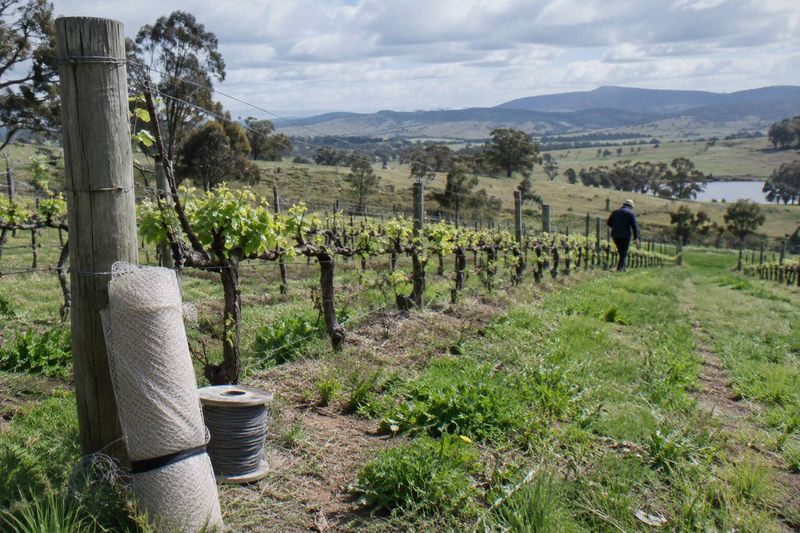
What Time Of Year Is Best For Canberra Wine Tours?
Canberra District wine country month by month: mean temperatures, rainfall, tour durations and which months suit a cellar door trip best.
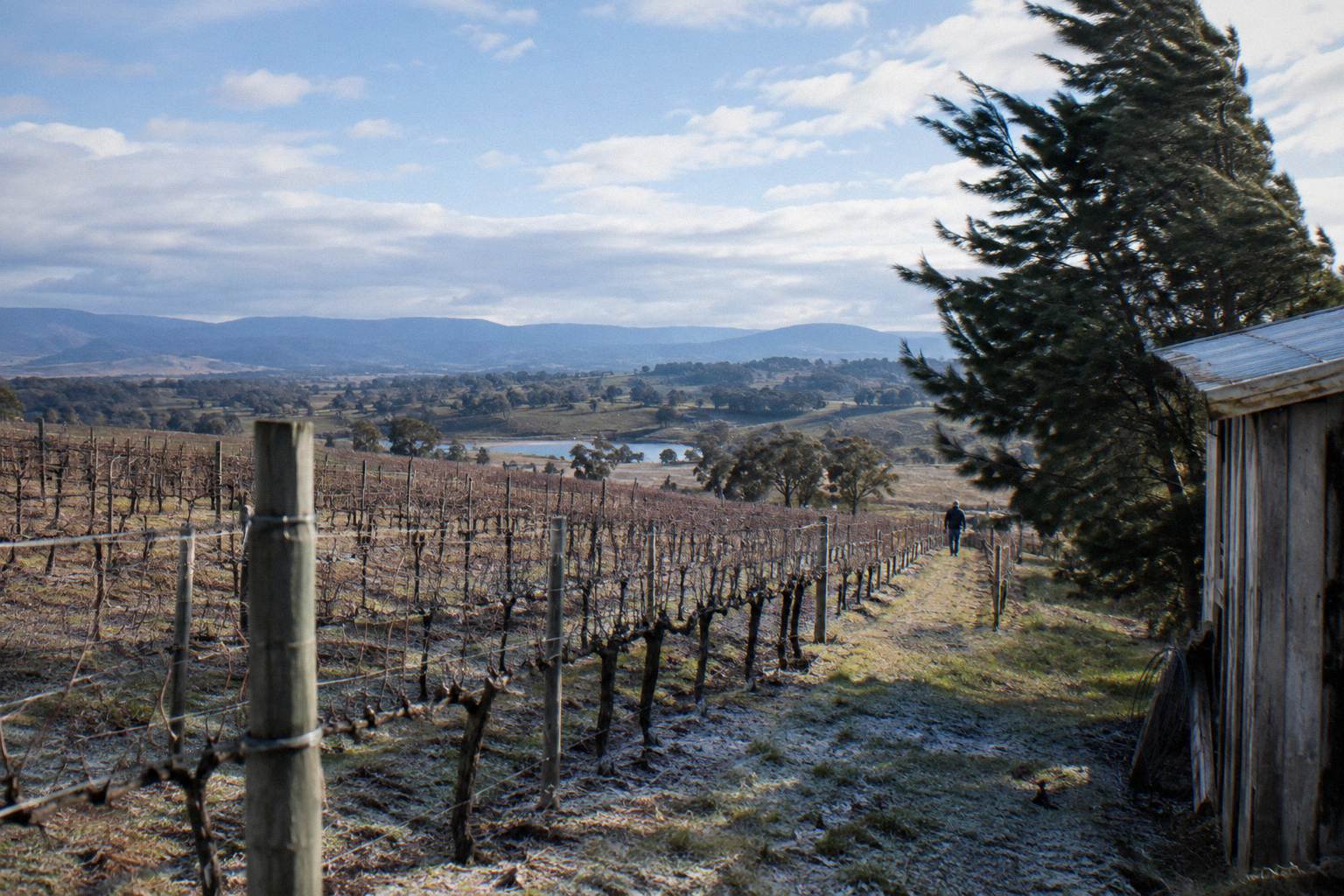
Canberra District wine country is closer than most visitors expect: the region's 140 vineyards and more than 40 wineries sit within 35 minutes' drive of the city, spread across three distinct areas, Murrumbateman and Yass, Canberra and Hall, and Bungendore, Wamboin, Gundaroo, Lake George and Collector. Vineyards climb from 300 to 800 metres, which is why cool-climate styles define the district and why the weather matters when you pick a date. This page works through the Bureau of Meteorology's monthly averages for Canberra Airport, the only station worth reasoning from, and matches them against the winery tours on this site so you can choose a month that suits both your comfort and your itinerary.
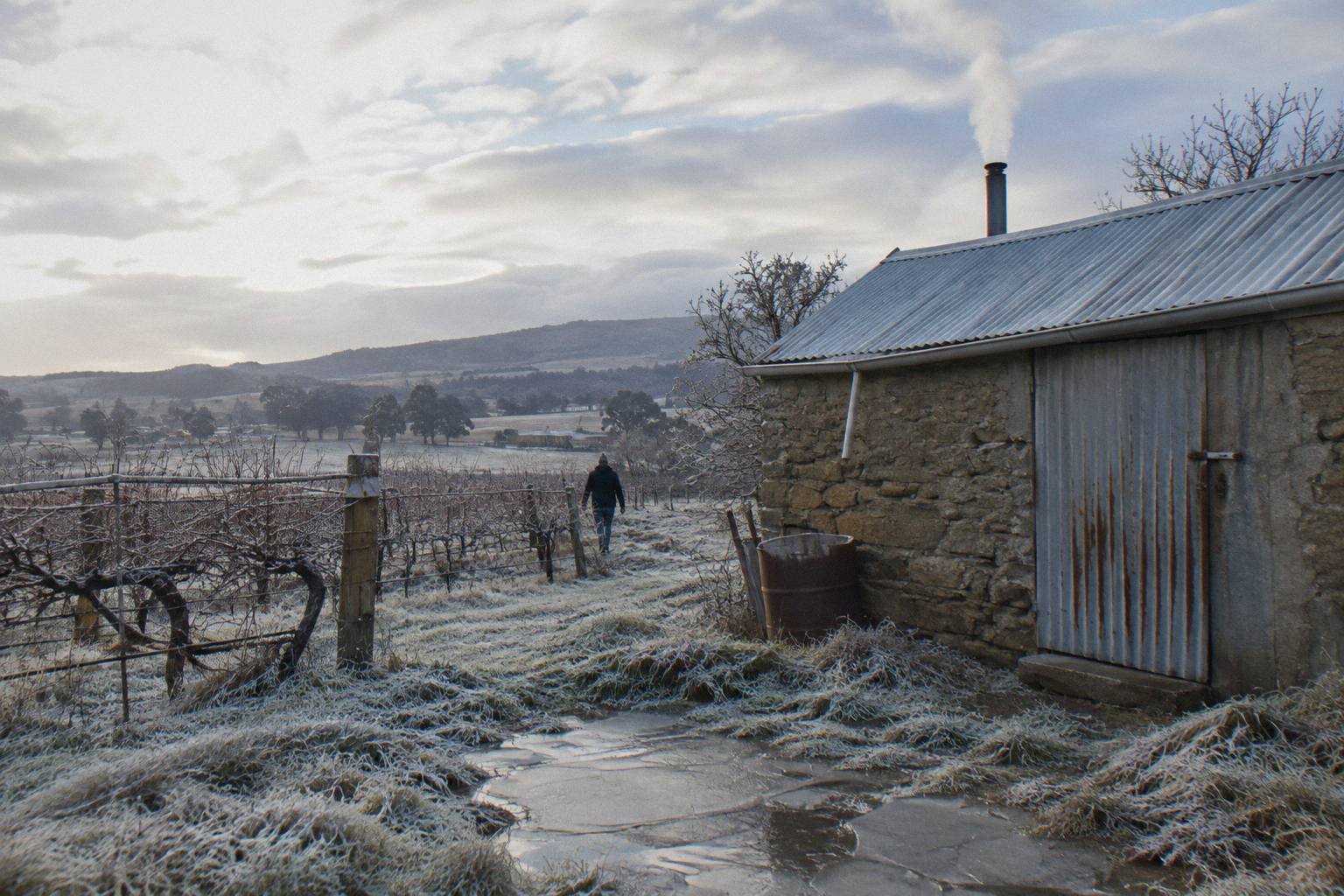
The most comfortable months for a Canberra wine tour are March, April, October and November, when mean daily maximums sit between 18.1 and 25.3 degrees Celsius and rainfall stays moderate. March is the standout: a 25.3 degree mean maximum, an 11.3 degree mean minimum and 63.6 mm of rain across the month, conditions that suit full-day touring without summer heat or winter frost.
Those four months are the practical sweet spot, and the reason is arithmetic rather than romance. The Bureau of Meteorology's 18-year averages from the Canberra Airport station put January's mean maximum at 30.0 degrees, which is a lot to ask of an eight-hour tour day that includes a vehicle, multiple stops and a seated lunch. July, at the other end, has a mean minimum of 0.1 degrees: sub-zero winter mornings are real here, and while cellar doors are heated, the parts of a wine day that happen outdoors, the views from the tasting room, the walk between buildings, the photo stop at the vineyard rows, lose their appeal quickly. March and April, and again October and November, split the difference.
March also happens to be the month the Canberra Balloon Spectacular runs, from 13 to 21 March 2027, so a well-timed autumn trip can pair an early morning watching balloons over the capital with an afternoon among the vines. That is a genuine advantage of the shoulder seasons: the calendar fills with reasons to be outside. What this page will not do is tell you a harvest month or a release month, because no verified vintage or cellar door season data exists for the district, and inventing one would be worse than saying nothing.
The trade-off to weigh is crowds against comfort. Summer school holidays put more traffic on the Barton Highway toward Murrumbateman, and December and November are statistically the wettest months of the Canberra year, at 75.2 mm and 73.6 mm mean rainfall respectively. Winter is the quietest and cheapest-feeling time, with July the driest month at 32.6 mm, but you are touring between sub-zero starts and 12.9 degree afternoons. There is no month when a Canberra wine tour is a bad idea, only months that ask for different planning, which is what the rest of this page lays out.
The Murrumbateman Full-Day Winery Tour from Merry Heart CBR runs 8 hours, from US$178.58 per person, with a vehicle, lunch, wine tastings, water, soft drink, phone chargers and a local guide, capped at 24 travellers. The Private Winery Tour With Lunch from VAN DU VIN, 5 hours and from US$224.08 for the private tour, rated 5.0 from 80 reviews, buys you the whole vehicle. And the Canberra City Highlights Full-Day Tour, 4.9 from 485 reviews and from US$128 per person over 8 hours, is the fallback for a day the weather turns: it keeps you in the national attractions with pickup from the major hotel and motel chains, though lunch is not included, so bring your own or buy it on the day. Weather flexibility is half the reason to think about timing at all.
How Does Canberra's Month By Month Climate Affect A Winery Trip?
Canberra's mean maximums swing from 30.0 degrees in January to 12.9 in July, with mean minimums from 14.2 degrees down to 0.1, so the month you choose decides whether a winery day feels like a long lunch in the sun or a dash between heated buildings. Rainfall ranges from a July low of 32.6 mm to a December high of 75.2 mm.
These figures come from the Bureau of Meteorology's climate averages for the Canberra Airport station, covering 18 years from 2008, and they are the single most reliable basis for timing a trip. The table below shows the full year. Read the maximum column for how the middle of your touring day will feel, the minimum column for the morning you leave your hotel, and the rainfall column as a rough proxy for how often a cellar door view will be behind cloud.
| Month | Mean max (C) | Mean min (C) | Mean rainfall (mm) |
|---|---|---|---|
| January | 30.0 | 14.2 | 54.4 |
| February | 28.1 | 13.4 | 63.5 |
| March | 25.3 | 11.3 | 63.6 |
| April | 21.0 | 6.7 | 40.5 |
| May | 16.6 | 2.7 | 33.8 |
| June | 13.3 | 1.0 | 46.2 |
| July | 12.9 | 0.1 | 32.6 |
| August | 14.5 | 1.2 | 47.1 |
| September | 18.1 | 3.2 | 48.4 |
| October | 21.4 | 6.3 | 54.6 |
| November | 24.9 | 9.8 | 73.6 |
| December | 27.4 | 11.9 | 75.2 |
Averages only tell part of the story, though they tell it honestly. A 21.0 degree April mean maximum can still contain a 28 degree day or a 15 degree one, and a 0.1 degree July mean minimum is an average that includes both mild nights and hard frosts. The Bureau's own table is the source for these numbers, published at its Canberra Airport climate averages page, and it is worth checking the forecast for your specific week rather than treating the means as a promise. What the means do establish, firmly, is the shape of the year: hot dry-ish summers, mild autumns with the year's heaviest rain arriving late, cold dry winters, and a spring that warms fast.
The altitude detail matters more than most visitors realise. Because district vineyards run from 300 to 800 metres, the higher cellar doors around Lake George and Collector can be several degrees cooler than the city reading on the same afternoon, and wind on exposed ridgelines can make an 18 degree day feel like autumn in April. If you are touring in the shoulder months, bring a layer even when the Canberra forecast looks mild. The reward for that extra layer is the light: autumn and spring in the hills above Lake Burley Griffin and across the Murrumbateman plain are the clearest, most photographable months of the Canberra year.
Which Months Suit A Full-Day Murrumbateman Tour Best?
An 8-hour day touring Murrumbateman cellar doors works best in March, April, October or November, when mean maximums of 21.0 to 25.3 degrees keep the vehicle comfortable and the lunch stop pleasant. January's 30.0 degree mean maximum is manageable but tiring, and July's 0.1 degree mean minimum makes early starts feel Arctic before the day warms to 12.9.
The Murrumbateman Full-Day Winery Tour is the district's core bookable product: 8 hours, from US$178.58 per person, maximum 24 travellers, with lunch, wine tastings, water, soft drink, phone chargers and a local guide all included, and free cancellation up to 24 hours. Merry Heart CBR, the operator, also runs a half-day winery variant and a nine-hour winery, brewery and distillery variant with wine, beer and spirits tastings, though neither carries a printable price. The full-day format is the one that rewards good weather most, because a large share of its appeal is the countryside between stops: the Barton Highway run, the vineyard rows, the long views toward the Brindabellas. If you can only take one wine day and you can choose the month, aim for the shoulder seasons and take the full day.
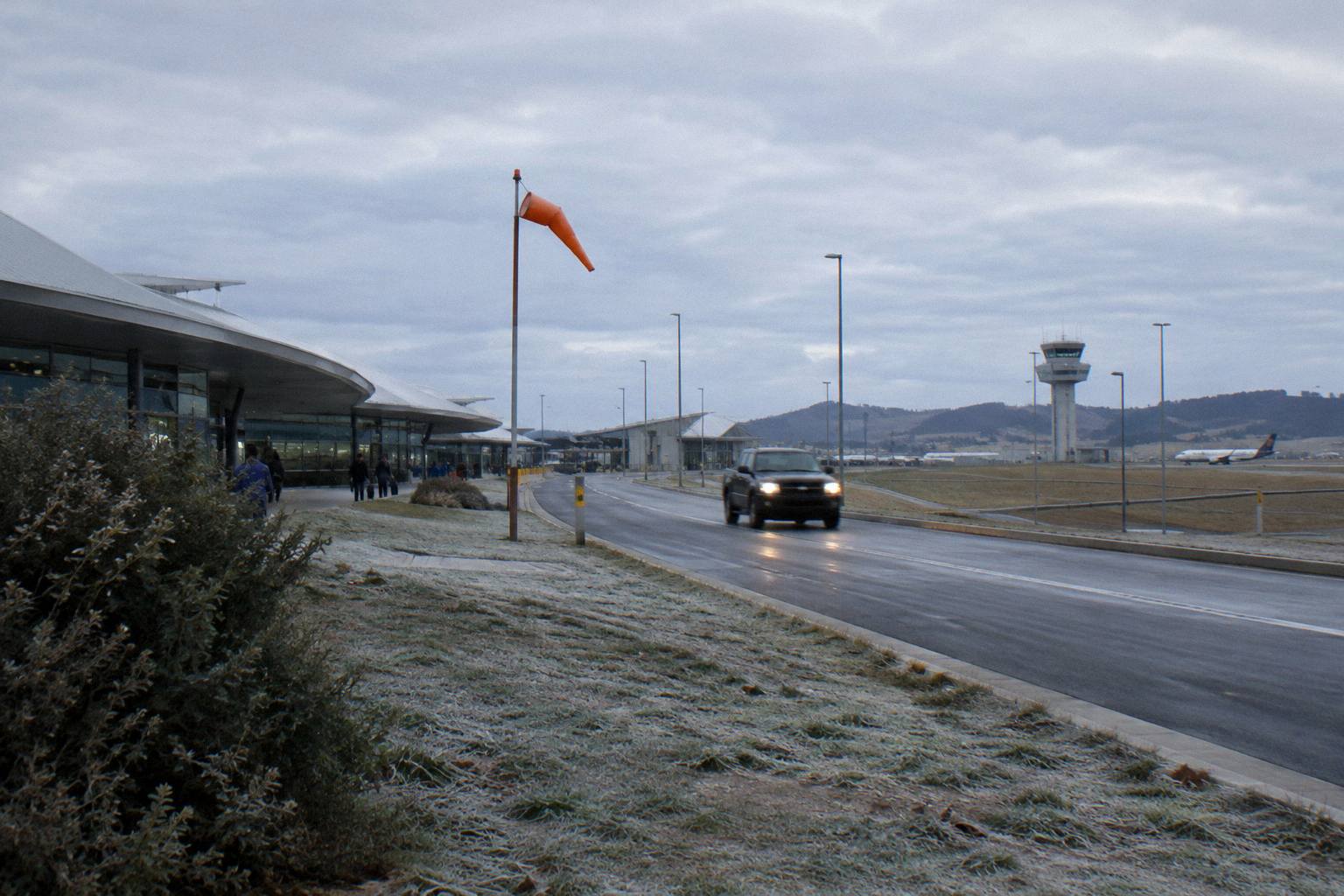
Winter deserves a fairer hearing than its frost suggests. July is the driest month on the Canberra Airport record at 32.6 mm of mean rainfall, which means winter tours run with fewer weather cancellations and emptier tasting rooms than any other month. Sub-zero mornings are the cost, but the 8-hour format means most of your day happens after the air has warmed past its 0.1 degree mean minimum. If a cosy cellar door with a fire and a long lunch sounds like the point of the trip rather than a consolation, June through August delivers exactly that, and the operator's free cancellation up to 24 hours covers a forecast that turns ugly late.
Summer has the opposite problem: January and February mean maximums of 30.0 and 28.1 degrees turn a parked vehicle into an oven and a midday patio into an endurance event. It is still doable, and plenty of travellers do it across the school holidays, but plan around the heat the way locals do: earlier starts, longer lunch stops inside, and acceptance that the last cellar door of the afternoon will feel warmer than the first. The tour's included water and soft drink earn their keep in those months.
Should you book the Murrumbateman tour before you leave home? It is a fair question at any time of year, and the answer is yes in the popular months: with a maximum of 24 travellers per departure, spring and autumn dates can fill. The tour carries free cancellation up to 24 hours before it runs, which removes most of the risk of locking in a date before you know the forecast.
Is Autumn Or Spring Better For Visiting Canberra's Wineries?
Autumn edges spring for wine touring on the numbers: March and April combine mean maximums of 25.3 and 21.0 degrees with mean minimums of 11.3 and 6.7, and April's 40.5 mm mean rainfall undercuts October's 54.6 and November's 73.6. Spring wins on warming days and lighter evenings, but carries the year's wettest month, December, on its heels.
Autumn's case is comfort with stability. By late March the summer heat has broken, the 63.6 mm of mean rainfall spreads across the month rather than arriving in November-style storms, and April is one of the three driest months on the Airport record. The countryside is at its most photogenic, and an 8-hour tour day passes without either the fatigue of January or the frost of July. For a visitor combining a wine day with everything else Canberra offers, autumn is the season that asks the fewest compromises.
- First Australians Museum TourUS$13.79
- 2-Hour AIS Sports TourUS$14.48
- Women's History Walk, 2 HoursUS$41.37
- Guided Day Tour, Free EntryUS$44
- 8-Hour City Highlights TourUS$128
Spring's case is energy. September's mean maximum of 18.1 climbing to October's 21.4 and November's 24.9 gives you three months of steadily improving touring weather, and daylight stretches late enough for a wine day to run into an evening elsewhere in the city. The trade is rainfall: November's 73.6 mm is second only to December's 75.2, and October's 54.6 mm is nothing special either. A spring trip is best booked with the weather-flexible mindset the free-cancellation terms on most of these tours already encourage.
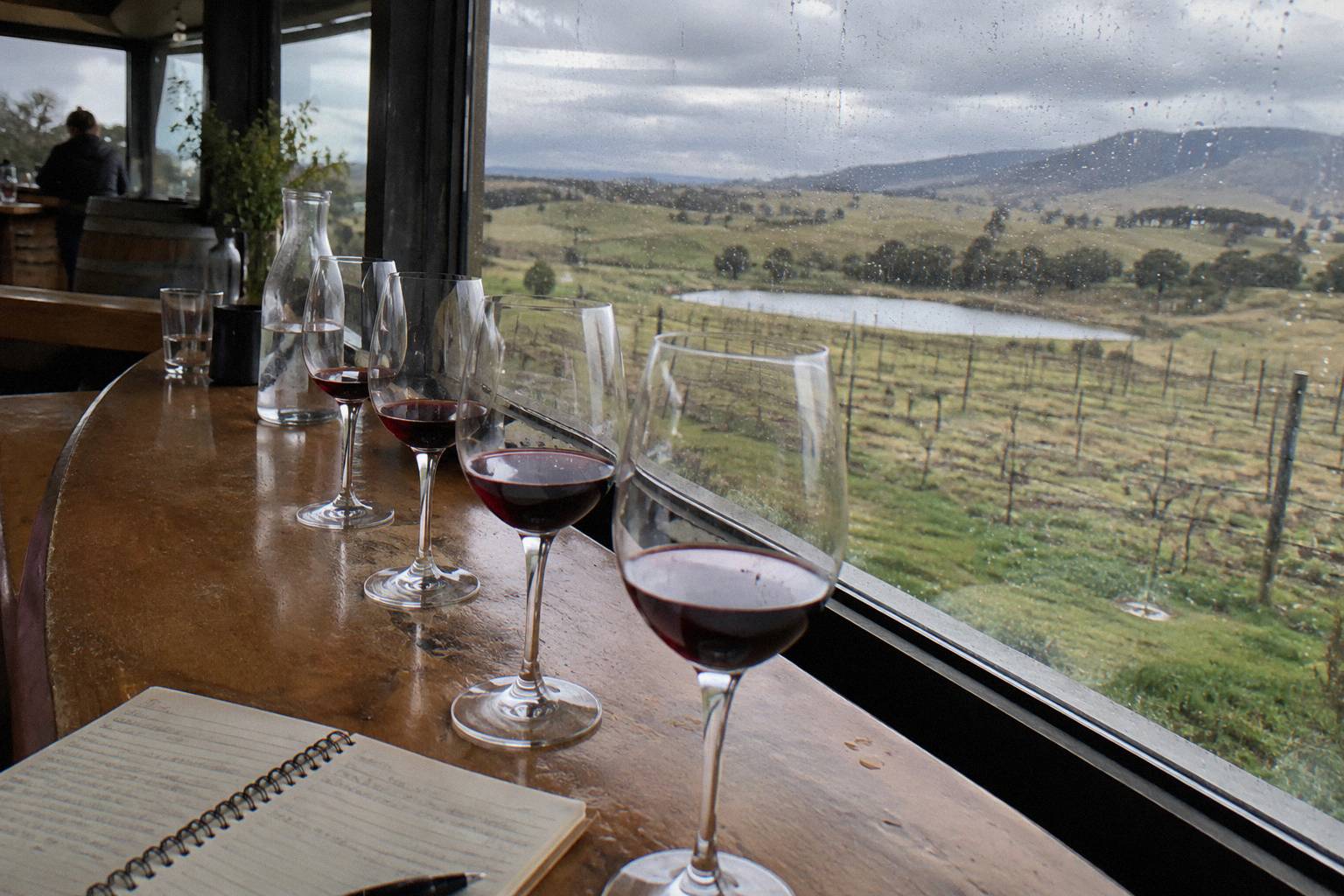
Both seasons suit the private option too. The Private Winery Tour With Lunch from VAN DU VIN runs 5 hours at from US$224.08 for the private tour, rated 5.0 from 80 reviews, with lunch included and free cancellation up to 24 hours. A shorter private format is a good hedge in a shoulder month with a mixed forecast: you get the district's cellar doors with less time committed to the day, and the private basis means the itinerary can flex around the weather in a way a scheduled group departure cannot.
What Should You Know About The District's Three Wine Regions Before Timing A Trip?
The Canberra District has three distinct wine regions, Murrumbateman and Yass, Canberra and Hall, and Bungendore, Wamboin, Gundaroo, Lake George and Collector, together holding 140 vineyards and more than 40 wineries within 35 minutes of the city, at altitudes from 300 to 800 metres. Region choice changes drive times more than season does.
This is the part of the timing question that first-time visitors usually miss. The district is not one valley with one drive; it is a ring of vineyard country around the capital, and the region you target decides whether your day is a 35-minute hop or a longer loop into the hills. The Canberra District Wine Industry Association's own regional page, canberrawines.com.au/region, is the primary source for the vineyard count and the three-region structure, and VisitCanberra covers the same ground for travellers at its Canberra wine region guide.
The history explains the geography. First vines in the district were planted in the 1840s, and the modern industry dates from a revival in the 1970s led by CSIRO scientists, which is why the wineries cluster where they do: on the cool, elevated country the scientists judged suited to the styles they wanted to grow. That altitude spread, 300 to 800 metres, is also why the same month can feel different in different parts of the district. A Murrumbateman afternoon in April can be gently warm while Lake George, higher and more exposed, feels like early winter. If your priority is comfort, the lower, closer regions are the safer winter and early-spring choice; the higher country is at its best in the warm months.
What no honest page can tell you is which winery or which wine is best: no best-wine, best-red or best-cellar-door claim is supported by the sources here, and any site making one is guessing. The way to think about a Canberra wine trip is region first, month second, tour format third. The Murrumbateman tours on this site handle the first region; the private format can be pointed at whatever you decide; and the month, as the climate table above shows, sets the comfort level for everything else.
How Do Tour Formats Change With The Season?
Short-format tours, like the 5-hour private winery trip at from US$224.08, suit hot January and cold July days; the 8-hour Murrumbateman full-day tour at from US$178.58 per person suits the comfortable shoulder months; and city alternatives, like the 8-hour Canberra City Highlights Full-Day Tour at from US$128 per person, cover days the district weather turns.
Duration is the lever most travellers under-use. An 8-hour day is a commitment in any month, and in January's 30.0 degree mean maximum or July's 0.1 degree mean minimum it is a bigger one than in April. The district's bookable formats split naturally along seasonal lines, and the table below matches them to month types. Note one honest gap: this page names no harvest or release season because no verified cellar door seasonal data exists, so the logistics table below runs on climate and format alone.
| Month type | Months | Best-suited format | Reasoning from the record |
|---|---|---|---|
| Hot summer | Jan, Feb | Shorter private format or full day with an early start | Mean maximums 30.0 and 28.1 °C; 5-hour format limits midday exposure |
| Mild autumn | Mar, Apr | Full-day Murrumbateman tour | Mean maximums 25.3 and 21.0 °C; April rainfall just 40.5 mm |
| Cold winter | Jun, Jul, Aug | Full-day tour with long indoor lunch stops | Driest quarter: 46.2, 32.6 and 47.1 mm; mornings near freezing |
| Warming spring | Sep, Oct, Nov | Full-day tour, book early | Mean maximums climb 18.1 to 24.9 °C; November rainfall 73.6 mm |
| Early summer | Dec | Full-day with weather fallback | Wettest month at 75.2 mm; free cancellation up to 24 hours helps |
The city fallback deserves a sentence of its own. The Canberra City Highlights Full-Day Tour, run by Canberra Guided Tours, is the trip with the most reviews on this site's roster, 4.9 from 485 reviews, and at from US$128 per person over 8 hours, with pickup at major hotel and motel chains and lunch left to bring or buy on the day, it makes a like-for-like substitute when a wet December or a freezing July morning argues against the vines. Since both it and the Murrumbateman tour carry free cancellation up to 24 hours, a traveller can hold a wine booking and a city booking in the same week and release whichever the forecast disfavors, within the operators' terms.
The Sydney-based traveller has a different calculation again. Both Sydney-to-Canberra coach tours on the roster, the Sydney To Canberra Day Trip, Small Group at from US$140 per person for 12 to 12.5 hours and the Sydney To Canberra With Buffet Lunch at from US$128 per person for 12 hours, spend roughly three hours by road each way on the roughly 285 km run. That fixed travel time argues even more strongly for shoulder-season booking: a 12-hour day in a January mean maximum of 30.0 degrees is a long day by any standard. Our guide to Canberra day trip options from Sydney covers that decision in full.
Does Rain Ever Ruin A Canberra Wine Tour?
Rain rarely cancels a Canberra wine tour outright: cellar doors are indoors, vehicles are enclosed, and the wettest month, December, averages 75.2 mm across the whole month. What rain costs you is the between-stop experience, the vineyard views and the outdoor tasting benches, which matter more on a first visit than a repeat one.
The practical reading of the rainfall column is about intensity, not totals. Canberra's mean rainfall is spread fairly evenly through the year, 636.7 mm annually, with no monsoon-style concentration, so a wet day is more often an afternoon shower than a washout. The 24-traveller Murrumbateman tour runs in a vehicle with a guide regardless, and the lunch stop is indoors. Travellers who tell us they were disappointed by weather on a wine day are almost always describing missed views, not missed tastings.
Two hedges work. First, the free-cancellation-up-to-24-hours terms on the winery tours mean a genuinely bad forecast can be walked away from a day ahead; the trade-off is releasing a seat in a capped departure, so use it for real weather, not mild doubt. Second, the Bureau of Meteorology's Canberra Airport averages are a planning tool, not a forecast: check the live forecast for your week, because the means describe 18 years, not your Tuesday.
For a deeper dive into the district's cellar doors and which tours reach them, see our Canberra District wine tour guide, and for how a lake morning pairs with an afternoon among the vines, our piece on whether a Lake Burley Griffin cruise is worth it makes the case for splitting a warm-season day.
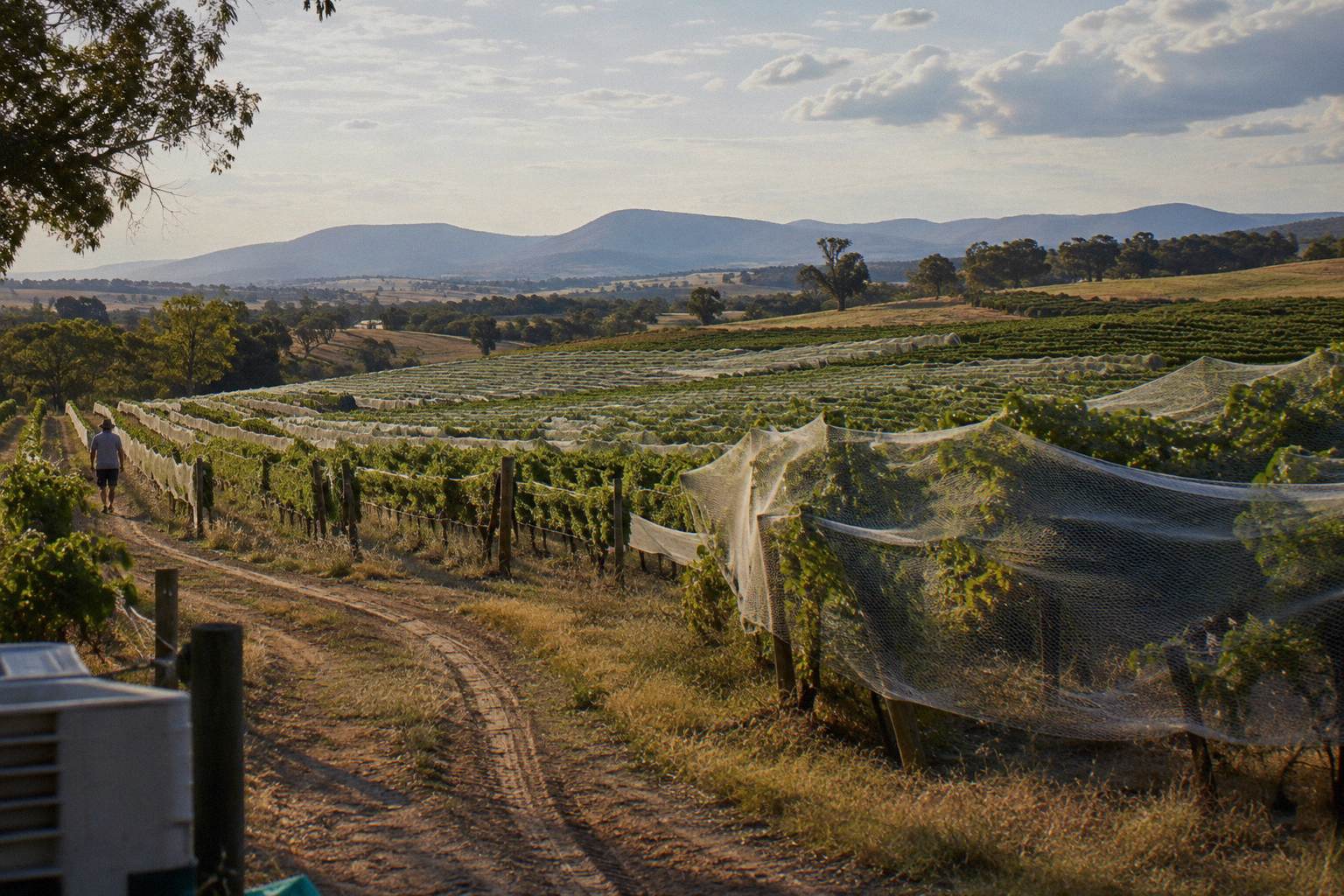
Planning a Canberra year around wine is easier when the whole city is in the frame, and Canberra Australia Tours keeps the rest of the roster, from the 2-hour Women's History Walk at from US$41.37 per person to the 4-hour Kangaroos And Koala Experience at from US$91, in one place. The same climate logic that times a winery day times those trips too: wildlife at Tidbinbilla suits a cool morning, walking tours suit the shoulder months, and the lake suits summer.
The private format above is the one to hold if your dates are locked and the forecast is uncertain. Because it is your vehicle and your itinerary, a 5-hour day can be re-cut around the weather in ways a scheduled departure cannot, and with 5.0 from 80 reviews behind it, the format has earned its reputation with a real review pool rather than a handful of scores.
Common Questions About Canberra Wine Tour Timing
What Time Of Year Is Best For Canberra Wine Tours?
March and April, followed by October and November. Mean maximums in those months run between 18.1 and 25.3 degrees Celsius with moderate rainfall, which suits the 8-hour Murrumbateman Full-Day Winery Tour format comfortably. January is the hottest month at a 30.0 degree mean maximum and July the coldest at a 0.1 degree mean minimum.
Is Winter Too Cold For A Canberra Winery Tour?
No, with planning. July's mean minimum is 0.1 degrees, so mornings are sub-zero, but the mean maximum reaches 12.9 by afternoon and July is the driest month on the Canberra Airport record at 32.6 mm of mean rainfall. Cellar doors are indoors and the full-day tour includes lunch.
Which Is The Wettest Month For Canberra Wine Touring?
December, at 75.2 mm of mean rainfall on the Bureau of Meteorology's Canberra Airport averages, followed by November at 73.6 mm. The driest month is July at 32.6 mm. No month's rainfall total is high enough to make touring impractical.
Do Canberra Winery Tours Get Cancelled For Weather?
Rarely. The tours run in enclosed vehicles with indoor cellar door stops, so rain mostly costs outdoor views rather than the tour itself. The Murrumbateman Full-Day Winery Tour and the Private Winery Tour With Lunch both carry free cancellation up to 24 hours if a forecast turns genuinely bad.
How Far Is Canberra Wine Country From The City?
The district's 140 vineyards and more than 40 wineries sit within 35 minutes' drive of the city, across three regions: Murrumbateman and Yass, Canberra and Hall, and Bungendore, Wamboin, Gundaroo, Lake George and Collector. Vineyard altitudes run from 300 to 800 metres.