Is A Guided Tour Of The Australian War Memorial Worth It?
Entry to the Australian War Memorial is free and no tour ticket is required, so the real question is whether a guided city day adds enough. Here is what is free, what a guided day includes, and how to choose.
For most visitors, no separate paid tour of the Memorial is needed: entry is free, tickets are not required, and the galleries plus the daily Last Post Ceremony at 4.30 pm cost nothing. A paid guide earns its place only when you want the Memorial woven into a full day of Canberra's national attractions, which is exactly what a guided city day tour does, from US$128 per person.
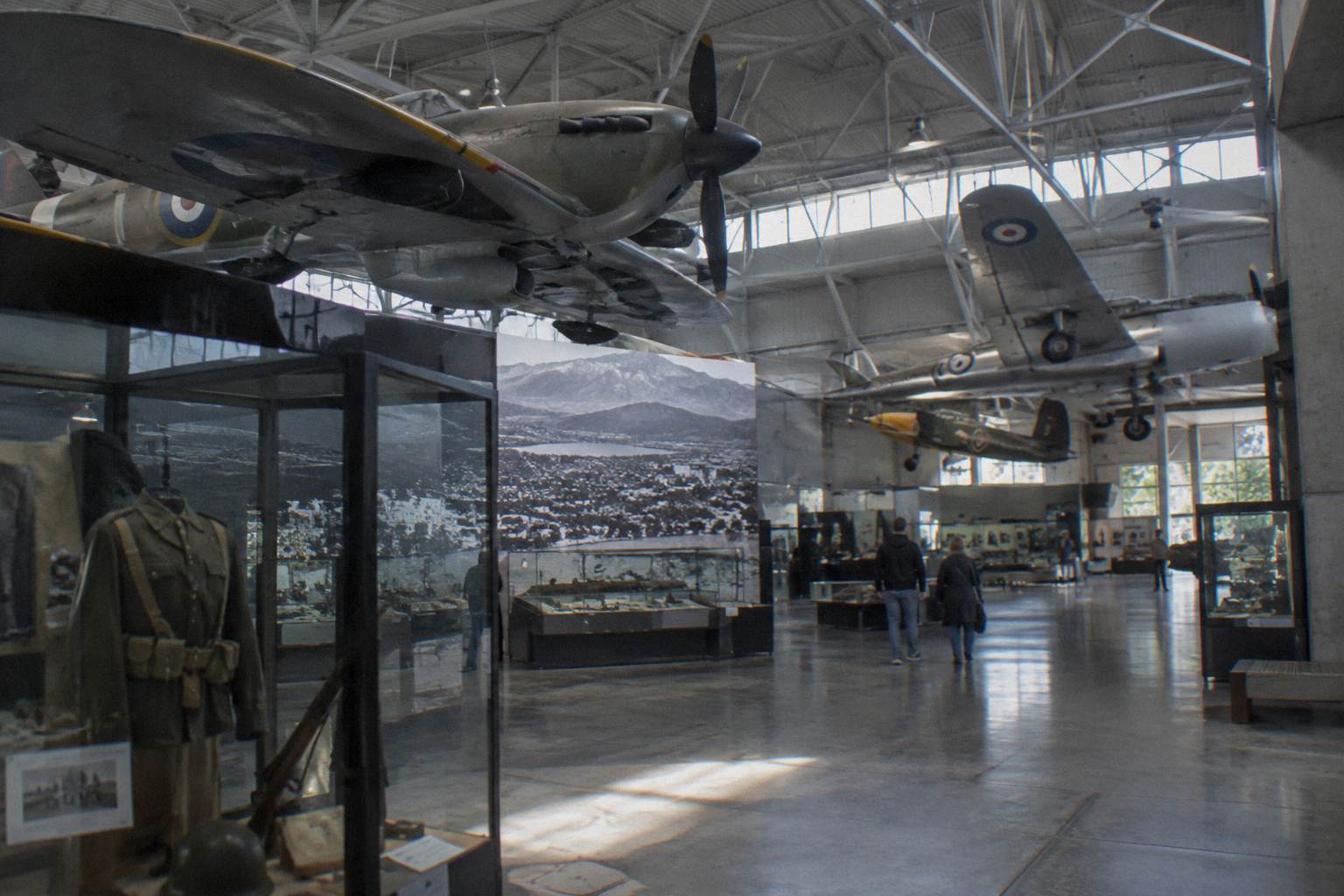
That is the short version, and it is worth being blunt about why. The Memorial's own visitor page states it plainly: "Entry is free. Tickets not required." There is no skip-the-line product to buy, no timed slot to secure, and no gate where a tour operator walks you past a queue that does not exist. Anyone can walk in during opening hours and see the permanent galleries, which hold more than 7,000 objects, at no cost. The building itself, the Commemorative Courtyard, the Roll of Honour and the pool of reflection are all in that free zone.
So when people ask whether a guided tour is worth it, they are usually asking one of two different questions. The first is whether they need a guide inside the Memorial to understand it. The second is whether booking a guided day around Canberra, with the Memorial as one stop among several, is a better use of money and time than exploring solo. Those are separate decisions, and this article works through both honestly.
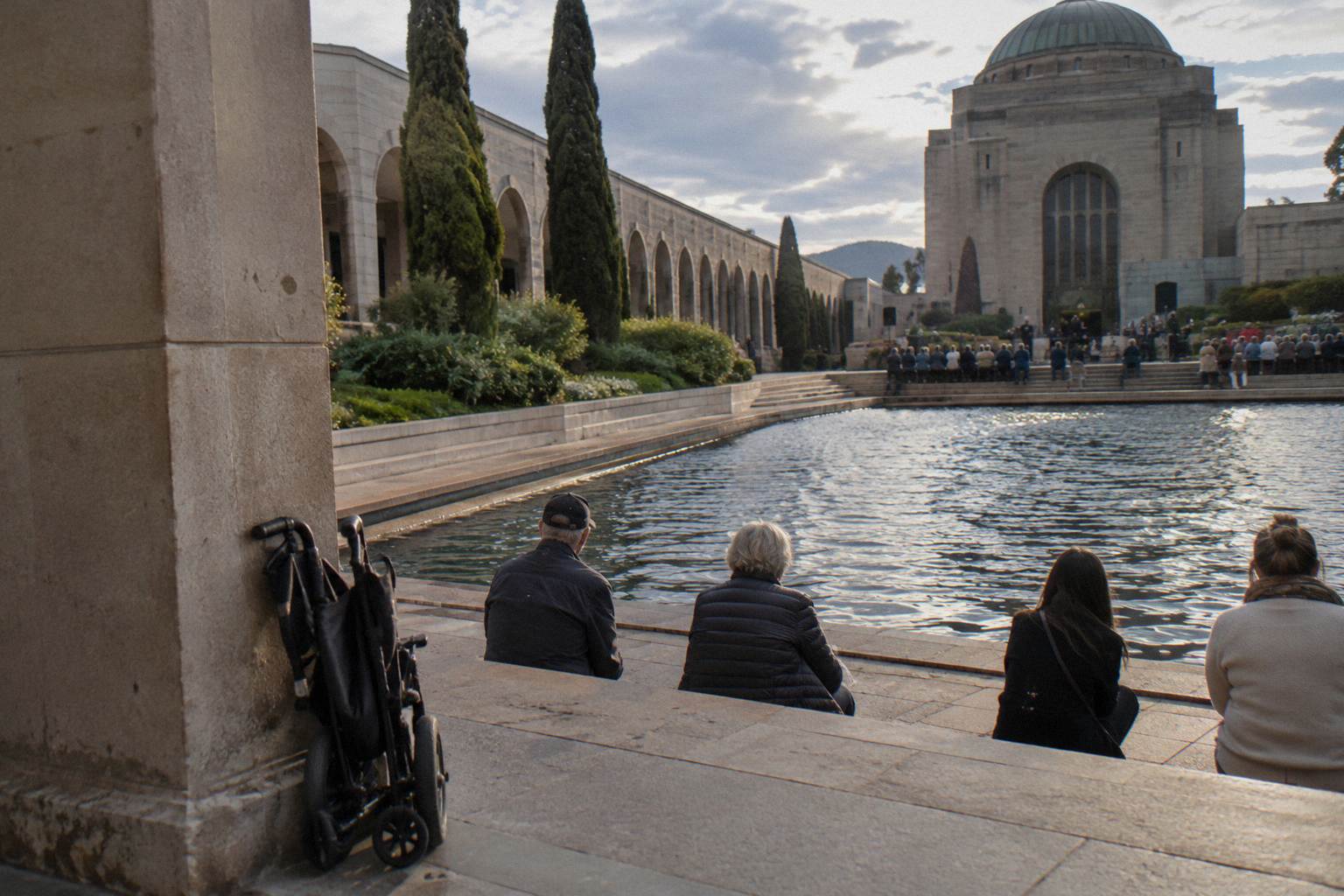
The short answer to the first question: you can have a complete and moving visit without paying anyone. The galleries are designed to be walked independently, the captions and displays carry the storytelling, and the Memorial runs its own commemorative programming, including the Last Post Ceremony each evening at about 4.30 pm in the Commemorative Courtyard, which shares the story behind one name on the Roll of Honour. The official ceremony page describes the format. No booking fee applies.
The second question is where money can genuinely improve a day. A guided city tour bundles transport, a guide's commentary and a workable route across Canberra's spread-out national institutions, and the Memorial sits inside that geography. If your time is short or you are arriving from Sydney for a single day, that bundling is often the difference between seeing two attractions comfortably and racing four.
If you are leaning toward the guided-day route, these are the three options on this site's roster that fit the decision best: the featured full-day city tour, a low-cost museum guided tour, and a budget full-day alternative.
The first of those, the Canberra City Highlights Full-Day Tour run by Canberra Guided Tours, is the trip with the most reviews on this site's roster: 4.9 from 485 reviews, 8 hours, a guide and vehicle with pickup at major hotel and motel chains, lunch not included (you bring or buy your own), and a maximum of 20 travellers. It costs from US$128 per person, with free cancellation up to 24 hours. One honest framing: it is a city day, not a War Memorial tour. The Memorial is a stop on the city's map of national institutions, and the depth you get inside each building depends on the time the day allows at each one.
What Is Free At The Memorial Before You Pay Anyone Anything?
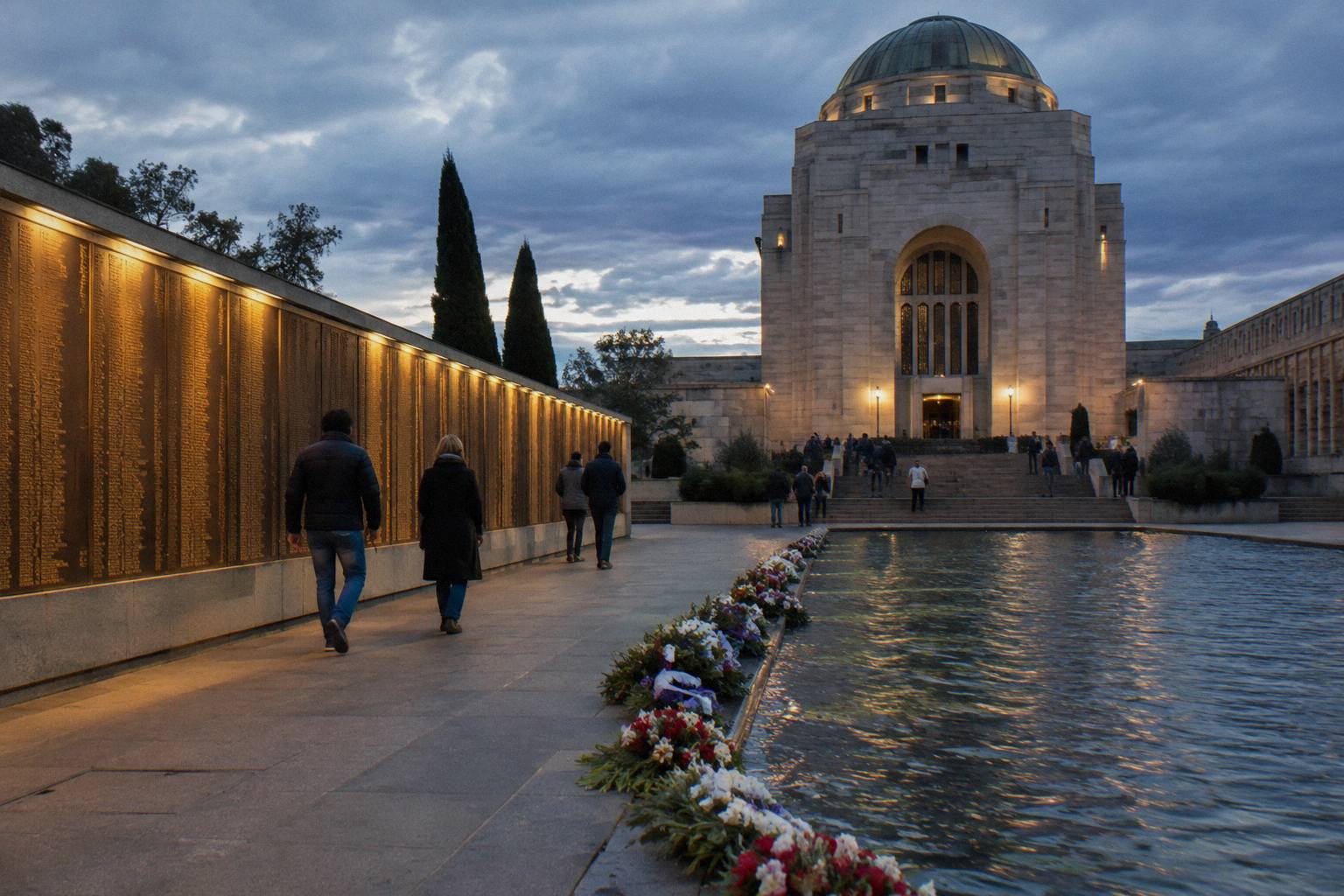
Entry is free and no ticket is required, the galleries are open 10 am to 5 pm daily except Christmas Day, and the Last Post Ceremony runs at 4.30 pm every evening in the Commemorative Courtyard. Parking underground is free, the route 54 bus runs from the City Interchange, and there is no charge for the cloak room.
That list covers nearly everything a first-time visitor wants. The free perimeter is wide: the permanent galleries with their more than 7,000 objects, the Commemorative Courtyard, the Roll of Honour, and the evening ceremony that closes each day. The official visitor page confirms all of it, along with the practical details that shape a visit.
One caveat matters and is easy to miss. The Memorial is undergoing redevelopment, and the official site states that some galleries may be temporarily closed. That is a live situation, not a historical footnote, so it is worth checking the Memorial's own visit page shortly before you travel rather than counting on any specific gallery. The official visitor information carries the current closure picture.
Here is the practical picture in one table.
| Item | Detail |
|---|---|
| Entry | Free, tickets not required |
| Gallery hours | 10 am to 5 pm daily except Christmas Day, progressive closure from 4 pm |
| Last Post Ceremony | About 4.30 pm daily, Commemorative Courtyard |
| Address | Fairbairn Avenue, Campbell, about 2 km from the city centre |
| Parking | Free underground car park (2.3 m clearance) plus outdoor parking |
| Public transport | Route 54 bus from City Interchange, a 10 to 15 minute ride |
| Large bags | Over 40 x 30 x 30 cm go to the free cloak room |
The ceremony deserves a specific mention because it is the single best free experience on the site. Each evening it tells the story behind one name on the Roll of Honour, which means no two evenings are the same and the Memorial itself curates it. Timing your visit so you are still there at 4.30 pm costs nothing extra, only an hour of patience, and it is the moment most visitors describe as the point of the whole place.
If you build a day around the free side of the Memorial and want a guide for the rest of Canberra's institutions, the full-day city option is the one to check first.
Should You Still Time A Visit Around The Ceremony?
Yes, and it is the one planning decision that outranks every tour question. Galleries begin progressive closure from 4 pm, so a visitor who arrives late morning has a full circuit of the galleries, time in the courtyard, and then the ceremony as the closing note. Arriving at 3 pm inverts that: you get the ceremony and very little else. The free-entry structure rewards slow afternoons, and a guided city day has to be judged partly on whether it drops you at the Memorial with enough daylight left to use it well.
What Does A Guided City Day Actually Add?
A guided city day adds transport between Canberra's dispersed national institutions, a guide's commentary in transit, a lunch stop where you bring or buy your own lunch, and a pre-planned route that fits several attractions into one day. It does not add entry to the Memorial, because entry is already free, and it is not a specialist War Memorial tour.
Canberra's layout is the reason guided days earn their price here. The national attractions are not clustered in one walkable district; they sit around the lake and along avenues built for a car city. The War Memorial, Parliament House, the National Museum and the galleries are each separated by distances that eat time if you are self-driving and parking at each one, and more so if you are working out buses.
The Canberra City Highlights Full-Day Tour answers that bundling question directly: 8 hours, a vehicle and guide included, lunch not included so you bring or buy your own, pickup at major hotel and motel chains, and a cap of 20 travellers. At from US$128 per person with free cancellation up to 24 hours, it is a mid-priced day that removes route planning and parking, leaving lunch as the one thing you sort yourself. Its 4.9 rating from 485 reviews is the largest review pool on this site's roster, which says something about how it lands with visitors, though a rating never guarantees your own day.
For travellers arriving from Sydney, two roster options cover the journey. Sydney To Canberra Day Trip, Small Group, run by Colourful Collective, costs from US$140 per person, runs 12 to 12.5 hours, includes a driver-guide, live commentary and all activities, with guests meeting at the departure point rather than being picked up, and rates 4.5 from 126 reviews. Sydney To Canberra With Buffet Lunch, run by Brighton Coach and Tours, also costs from US$128 per person over 12 hours with a buffet lunch included. Both are long days by definition, and the Memorial is one stop among the day's attractions rather than the whole story.
If your interest is specifically guided interpretation inside a national institution, there is a cheap and direct product worth knowing about: the National Museum of Australia's guided tours, from US$13.79 per person for a 1-hour experience, with free cancellation up to 24 hours. It is a museum tour, not a Memorial tour, but it shows how little a specialist guided hour costs when an institution sells one directly.
Does A Guide Change What The Memorial Means?
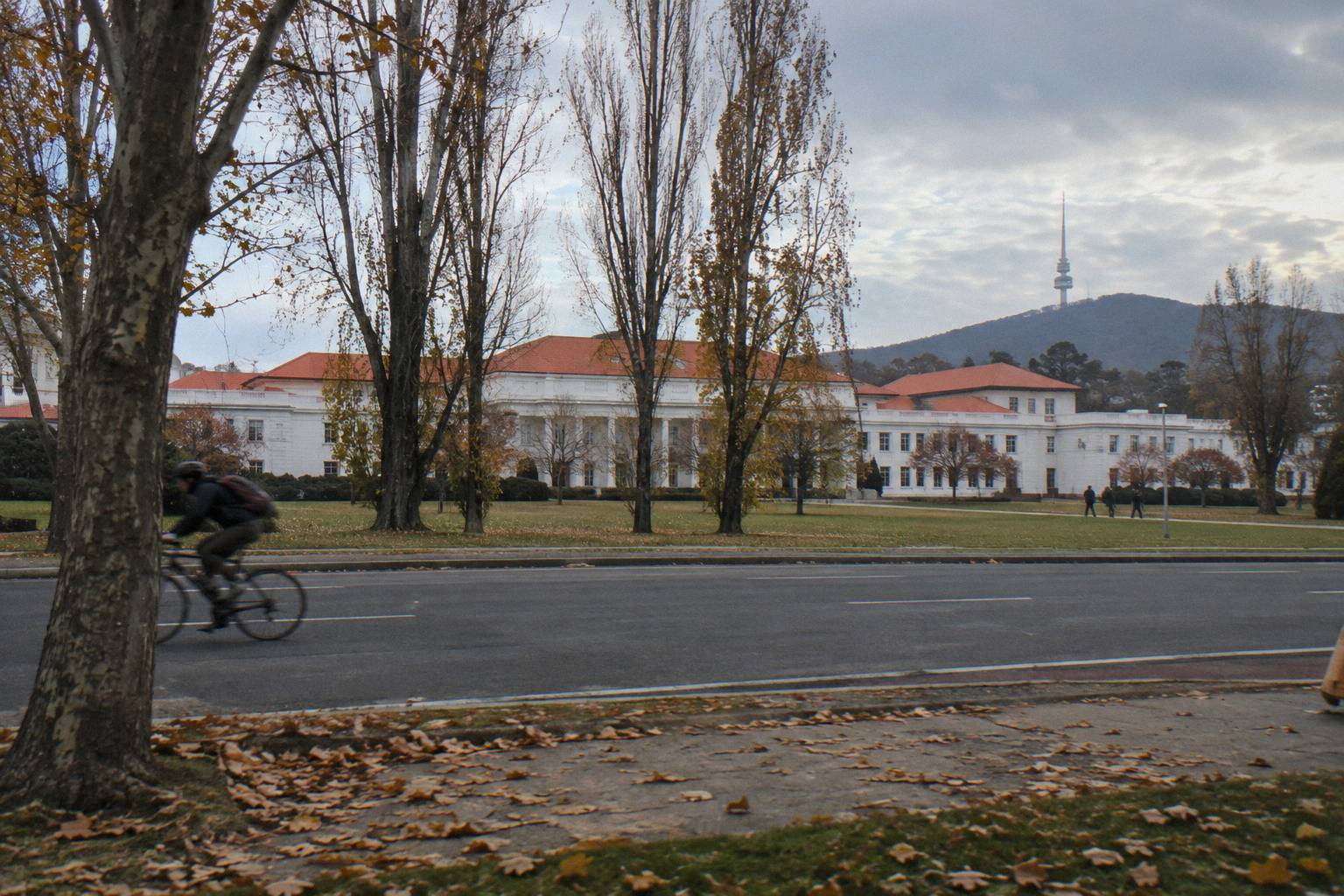
Honestly, a guide changes context more than access. What a good city guide contributes is the connective tissue: why the Memorial sits on the axis it does, how it faces Parliament House across the lake, and how the national institutions were designed as one argument about Australian democracy. Those threads are invisible if you visit each building in isolation, and they are the part solo visitors most often miss. Inside the galleries themselves, the Memorial's own interpretation is strong, and the free ceremony provides the emotional register no tour operator needs to supply.
For readers who want to compare the whole field before deciding, the site's broader rundown of Canberra day tour options covers every category, and the deeper question of how long you need to see Canberra shapes whether a single compressed day is realistic at all.
- First Australians Museum TourUS$13.79
- 2-Hour AIS Sports TourUS$14.48
- Women's History Walk, 2 HoursUS$41.37
- Guided Day Tour, Free EntryUS$44
- 8-Hour City Highlights TourUS$128
Self-Led Visit Or Guided City Day: Which Should You Book?
Book the guided city day if your time in Canberra is one day or less, you are arriving from Sydney, or you want several institutions covered without route planning. Go self-led if you have two or more days, want long, quiet time in the galleries, or are shaping the visit around the 4.30 pm ceremony, since everything that costs money elsewhere is free here.
The honest comparison is not guided versus unguided at the Memorial, because that choice barely exists. It is free-and-unhurried versus bundled-and-efficient. This table sets the two approaches against each other using only what is verified.
| Question | Self-led visit | Guided city day |
|---|---|---|
| Cost at the Memorial | Free entry, no ticket | Free entry, no ticket |
| Transport | Your own car, or route 54 bus | Vehicle and guide included |
| Time at the galleries | As long as you like within hours | Set by the day's route |
| Last Post Ceremony | Easy to wait for at 4.30 pm | Depends on the day's schedule |
| Other attractions | Each added stop costs you planning time | Included in one route |
| Lunch | Your own arrangement | Included on the full-day options |
| Cancellation | Nothing to cancel | Free up to 24 hours on most options |
Two honest edges belong to the self-led column. The first is time: nobody rushes you past a display that has stopped you, and the ceremony is simply a matter of staying. The second is money: the entire core experience, entry, galleries and ceremony, costs nothing, so the self-led day can be close to free once you are in Canberra.
The guided column's edge is arithmetic. Canberra's attractions are spread out, and if you have one day and four institutions you want to see, a guided day is the only realistic way to see them well. Travellers weighing the drive-yourself question may find the site's comparison of a day trip by tour or by car useful, and the question of whether Canberra day tours need pre-booking matters most in spring festival season.
How Much Time Does The Memorial Deserve On Its Own?
Plan on at least two to three hours for the galleries plus the ceremony, and more if commemoration is the reason for your trip. Galleries open at 10 am and begin progressive closure from 4 pm, so an afternoon arrival of two hours or less forces a choice between displays and the 4.30 pm ceremony.
The Memorial rewards slowness in a way few attractions do. More than 7,000 objects sit in the permanent galleries, and the Roll of Honour alone holds visitors longer than most people expect. A visitor who budgets one hour typically leaves having walked the axis, glanced at two galleries and missed the texture entirely. Two to three unhurried hours, finishing in the courtyard for the ceremony, is the shape of a satisfying visit.
That time budget collides directly with the guided-day model, which is the honest tension in this decision. A city day tour that includes the Memorial typically allows a fixed stop, long enough for the highlights and the view, short enough to keep the day's route on schedule. If the Memorial is your single strongest reason for visiting Canberra, that fixed stop will feel thin, and the self-led afternoon will serve you better.
The compromise worth naming: split the day. A guided city tour in the morning covering the institutions you care about less, then an independent afternoon at the Memorial from mid-afternoon, finishing with the ceremony. The City Highlights day runs 8 hours, so this works best for visitors staying overnight rather than day-tripping from Sydney, whose 12-hour itineraries return them home the same evening.
What About The Redevelopment And Gallery Closures?
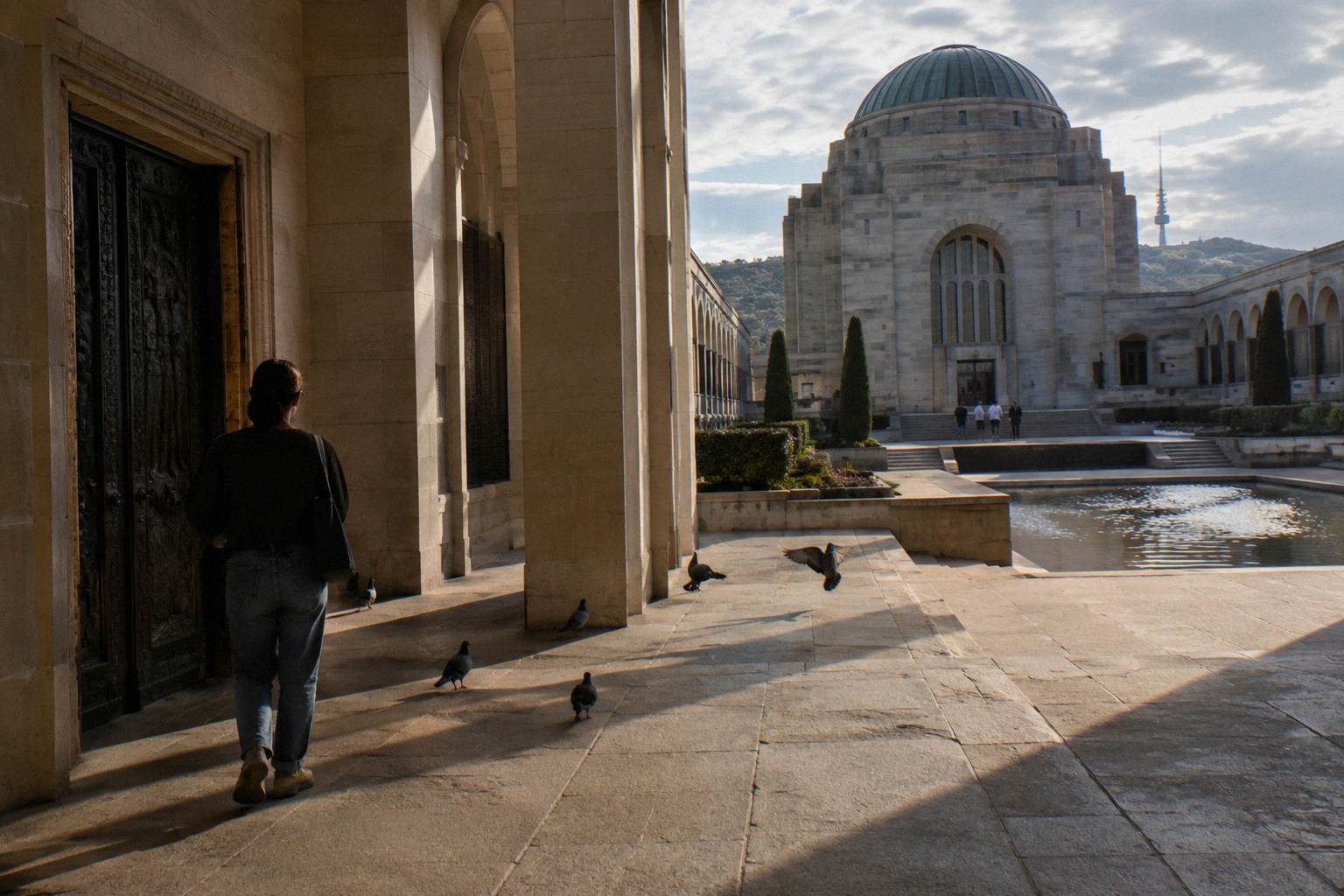
The Memorial is undergoing redevelopment and some galleries may be temporarily closed, per its own visitor page, so no specific gallery should be promised on any itinerary, guided or not. Free entry, the courtyard, the Roll of Honour and the daily ceremony continue, and the official site is the place to check current closures before you travel.
This section exists because it changes the value calculation, and because less careful itineraries gloss over it. A guided city day that includes a Memorial stop is selling you the stop, not a particular gallery, and any operator or article that promises a specific exhibition is promising something the Memorial itself will not. The redevelopment is a live, multi-year reality of the site.
For the self-led visitor, the closure picture argues for flexibility: build the afternoon around the axis, the courtyard and the ceremony, and treat whatever galleries are open as the day's substance. For the guided-day buyer, the question to ask before booking is simply how long the Memorial stop runs, since that number, more than any commentary, determines what you experience.
The same caution applies across the lake. Old Parliament House, home to the Museum of Australian Democracy, carries its own banner noting that some exhibitions and rooms are closed for essential building works, as its visit page states. The site's Old Parliament House tour guide covers that building in detail. Canberra's national institutions are working buildings, and a good plan treats closure notices as part of the trip, not a spoiler of it.
Are There Cheap Guided Options Elsewhere In Canberra?
Yes: several Canberra institutions sell their own short guided experiences at low prices, from US$13.79 for a 1-hour National Museum guided tour to US$14.48 for a 2-hour Australian Institute Of Sport Tour rated 4.6 from 60 reviews. None is a War Memorial product, but together they show how cheaply specialist guiding can be bought in this city.
The pattern is worth understanding because it reframes the original question. In Canberra, deep interpretation inside a single institution is usually sold by the institution itself, cheaply and for a fixed hour, while operators sell the between-buildings layer: transport, routing and a day's narrative. Once you see the split, the decision becomes modular.
The Australian Institute Of Sport Tour is the clearest example on this site's roster. Run by the Institute itself, it costs from US$14.48 per person for 2 hours, caps groups at 15, and rates 4.6 from 60 reviews. One planning note that matters: it is non-refundable, with no free cancellation window, unlike most options on the roster.
The budget end of the full-day category follows the same logic at scale. Canberra Day Tour, All Major Attractions, run by Canberra Day Tours, covers the major attractions in one day from US$44 per person, with free cancellation up to 24 hours. Its booking page title mentions free entry, though exactly which entries that covers belongs on the listing, not in an itinerary. It carries no printed rating, so judge it on its route and price rather than a review pool that does not exist.
Between these sits the question of walking tours, which the site covers separately in its guide to Canberra walking tours. The Women's History Walk, run by She Shapes History, costs from US$41.37 per person for 2 hours and rates 5.0 from 130 reviews, a reminder that specialist guiding in Canberra is alive, affordable and often closest to the ground.
The Verdict For Different Kinds Of Visitor
A specialist paid tour of the Memorial is unnecessary for almost everyone: the free experience, galleries, courtyard and ceremony, is complete. Spend on a guided city day if you have one day, are arriving from Sydney, or want the institutions connected; spend on nothing if you have time and your own transport. The ceremony at 4.30 pm is the constant either way.
For the family on a Canberra weekend, the self-led afternoon plus one cheap institutional tour, a museum hour or the AIS visit, delivers guiding where it counts and freedom where it matters most. For the Sydney day-tripper, the arithmetic points the other way: a 12-hour door-to-door itinerary leaves no room for route planning mistakes, and the small-group option at from US$140 per person, 4.5 from 126 reviews, exists precisely for that traveller.
For the visitor whose trip commemorates a family name on the Roll of Honour, none of the paid options matter much. Arrive early, walk slowly, stay for the ceremony, and let the Memorial's own interpretation do the work. The money saved on a city day can buy a second morning instead.
However you shape the day, the site's broader resource on things in Canberra worth booking separates the experiences where a ticket genuinely helps from the many that, like the Memorial, are open to anyone who turns up. The planning distinction that runs through every page on Canberra Australia Tours is the same one this article has drawn: buy the transport and the routing, and let the free institutions be free.
Common Questions About The Australian War Memorial
Is A Guided Tour Of The Australian War Memorial Worth It?
For most visitors, no. Entry is free, tickets are not required, and the daily Last Post Ceremony at 4.30 pm is open to everyone. A guided city day tour, from US$128 per person, adds value when you want the Memorial combined with other institutions in one efficient day.
Do You Need To Book Tickets For The Australian War Memorial?
No. The official position is "Entry is free. Tickets not required." You simply arrive during opening hours. The galleries are open 10 am to 5 pm daily except Christmas Day, with progressive closure from 4 pm.
What Time Is The Last Post Ceremony?
Approximately 4.30 pm daily in the Commemorative Courtyard. Each ceremony tells the story behind one name on the Roll of Honour, so the content varies from evening to evening. It is free to attend.
How Long Should I Spend At The Australian War Memorial?
At least two to three hours to see the galleries properly and stay for the ceremony. Arriving after 3 pm forces a choice between the displays and the 4.30 pm ceremony, since galleries begin progressive closure from 4 pm.
Are All The Galleries Open During The Redevelopment?
Not necessarily. The Memorial states it is undergoing redevelopment and some galleries may be temporarily closed. Check the official visit page shortly before travelling, and treat any promise of a specific gallery, on any itinerary, with caution.
Can I Get There Without A Car?
Yes. Route 54 bus runs from the City Interchange to the Memorial in about 10 to 15 minutes, and the Memorial is roughly 2 km from the city centre. Free underground parking (2.3 m clearance) and outdoor parking are available if you drive.